
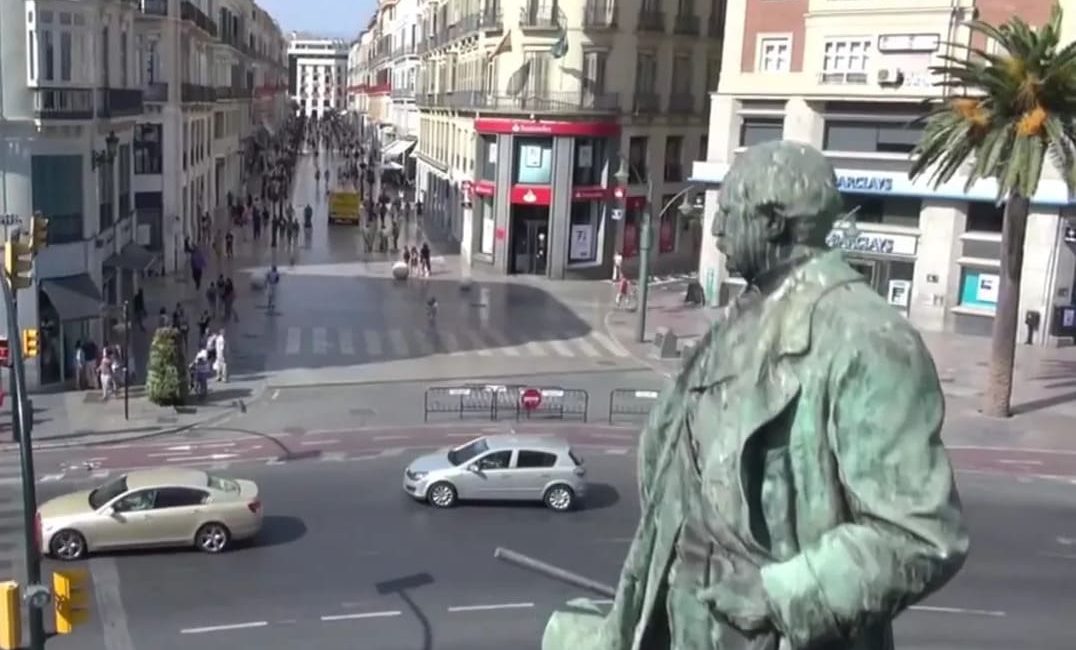
The Elegance of Marqués de Larios Street
Calle Marqués de Larios, known as the main commercial artery of Malaga, stands elegantly in the heart of the city. Since its inauguration in 1891, this iconic street has been a witness and protagonist of the social, cultural and economic life of Malaga. Its importance transcends the simple fact of being a street; it is a symbol of Malaga’s identity and a place where history and modernity converge gracefully.
From the restaurant La Tasquita de en Medio we invite you to stroll down Calle Marqués de Larios, and immerse yourself in a universe of exclusive stores, refined architecture and a vibrant atmosphere that distinguishes it as one of the most emblematic destinations in the city. From luxury stores to charming cafes, the street breathes elegance at every corner, making it a meeting point for both locals and visitors looking for a unique experience.
Historical Context and Origin of the Name
The history of Marqués de Larios Street dates back to the 19th century, when the idea of creating a street that would reflect the economic and cultural boom of Malaga at the time was conceived. Inaugurated in 1891, the street bears the name of Manuel Domingo Larios y Larios, II Marqués de Larios, a prominent figure in local history and whose sculpture, the work of the renowned Mariano Benlliure, presides over the beginning of the street.
The name “Marqués de Larios” not only pays homage to an aristocratic figure, but also encapsulates the essence of elegance and refinement that the street has maintained over the years. The choice of the name is directly linked to the desire to transform this street into an epicenter of Malaga’s social and commercial life, turning it into a symbol of prestige and distinction that endures to this day.
In short, Calle Marqués de Larios is not just a street, it is a living testimony of the evolution of Malaga and an emblem of the elegance that characterizes the city. With its name steeped in history and its importance rooted in Malaga’s identity, this street invites us to explore its charm and immerse ourselves in a walk full of history, culture and style.
II. History and Architecture of Marqués de Larios Street
Founding and Historical Development
Calle Marqués de Larios stands on historical foundations dating back to the 19th century, when Malaga was experiencing a period of economic and cultural splendor. The idea of creating a street that would reflect the city’s prosperity took shape at the end of the century, and finally, in 1891, the street opened its doors to the public. Since then, it has been a privileged witness to the evolution of Malaga and a reflection of the different eras the city has lived through.
Architectural Influence
The architectural imprint of Marques de Larios Street is a testament to the vision and skill of architect Eduardo Strachan. Inspired by the Chicago school, Strachan designed the street flanked by curved corner buildings. This innovative approach not only balanced the aesthetics of the street, but also made it symmetrical and elegant, marking a milestone in Malaga’s architecture.
Strachan’s design not only sought functionality, but also aspired to create a space that resonated with the history and spirit of Malaga. The choice of curved lines and the careful arrangement of the buildings not only define the aesthetics of the street, but also enhance its iconic character.
Notable Architectural Details
Marqués de Larios Street is distinguished by its remarkable architectural details, with curved buildings being one of its most distinctive features. These buildings, strategically located on the corners, not only add a unique aesthetic touch, but also contribute to the visual harmony of the street. Ornamental details, such as balconies and cornices, are carefully designed, creating an architectural symphony that envelops those who stroll along the street.
The curvature of the buildings is not only aesthetically appealing, but also offers a dynamic visual perspective as one moves down the street. This design contributes to the sense of spaciousness and grandeur that characterizes Calle Marqués de Larios.
In short, the history and architecture of Calle Marqués de Larios are inseparable elements that define its unique character. From its historical beginnings to Eduardo Strachan’s innovative influence and remarkable architectural details, this street stands as a testament to the artistry and vision that have shaped Malaga’s architectural identity.
III. Points of Interest and Monuments on Marqués de Larios Street
The Customs Palace
The Palacio de la Aduana, majestic and emblematic, stands as an architectural jewel along Marques de Larios Street. Initially intended to be a customs house, this imposing building was built in the 18th century. Currently, it houses the Museum of Malaga, becoming a cultural epicenter that houses a rich collection of archaeological pieces and works of art from different periods. The fusion between its neoclassical architecture and its function as a museum makes it a point of reference for both history lovers and art enthusiasts.
The Sculpture of the Marquis of Larios
At the beginning of the walk along Marqués de Larios Street, the eye is immediately captured by the sculpture of the II Marqués de Larios. A masterpiece by Mariano Benlliure, this sculpture pays homage to the nobleman who gave his name to the street. The imposing presence of the marquis, with his gaze fixed on the horizon, adds a touch of distinction and tangibly connects the history of the street with its designation.
The sculpture is not only an artistic representation, but a tangible connection to the past and a reminder of the historical importance of Calle Marqués de Larios.
Cervantes Theater and Other Nearby Monuments
Calle Marqués de Larios is not only notable for its architecture and stores, but also for its proximity to notable monuments, including the Cervantes Theater. This theater, inaugurated at the end of the 19th century, is a vital cultural center in Malaga and a testament to the importance of the performing arts in the city. Its imposing façade and historical role in the cultural scene make it an obligatory point of reference.
In addition, the street also offers access to other nearby monuments, such as the church of Santo Domingo, which adds a historical and religious dimension to the surroundings. The diversity of monuments and points of interest in the vicinity of Calle Marqués de Larios enriches the visitor’s experience, offering a range of options to explore the cultural and patrimonial richness of Málaga.
In short, the points of interest and monuments in Marqués de Larios Street are not only architectural elements, but landmarks that summarize the history, culture and art that have marked the evolution of Malaga over the years.
IV. Events and Celebrations in Marqués de Larios Street
Calle Marqués de Larios is not only an architectural icon, but also a vibrant setting for events and celebrations that highlight its unique character. One of the most prominent events is Larios Fashion Week, a fashion show that transforms the street into an outdoor catwalk. This recurring event attracts designers, models and fashion lovers from all over the world, turning the street into an epicenter of style and glamour.
During Larios Fashion Week, the street becomes a canvas where the latest trends and creations of emerging and established designers are showcased. The fusion of fashion, architecture and the energy of the street creates a unique experience that not only celebrates fashion, but also the dynamic identity of Malaga.
How the Street Transforms During Local Festivities
Calle Marqués de Larios is the epicenter of celebration during local festivities. During events such as the Malaga Fair, the street is transformed into a stage of joy and color, with bright lights, festive decorations and an effervescent atmosphere. Malagueños and visitors alike congregate to enjoy cultural activities, live music and the rich tradition of the fair that fills every corner of the street with life.
The transformation of the street during festivities reflects the vitality and festive spirit that characterizes Malaga. From the August Fair to the celebration of cultural events, Calle Marqués de Larios becomes the place where the community comes together to celebrate and share unforgettable experiences.
Street Participation in Cultural and Traditional Events
Calle Marqués de Larios also plays a fundamental role in the participation of cultural and traditional events in Malaga. Its strategic location makes it a natural meeting point during Holy Week, when processions walk the streets of the historic center. The street fills with devotees and onlookers who come together to witness one of the city’s most emblematic celebrations.
In addition, participation in cultural events such as open-air concerts, art exhibitions and community activities reinforces the connection of Calle Marqués de Larios to the cultural life of Málaga. This street is not only an exceptional architectural setting, but also an active player in the city’s cultural and traditional scene.
In conclusion, Marqués de Larios Street is not only an architectural testimony, but also a dynamic canvas where events and festivities that enrich the cultural and social life of Malaga are held. Its active participation in recurring and traditional events makes it a point of reference for the community and a symbol of the city’s vitality.
V. Emblematic Shops and Stores on Marqués de Larios Street
List of Some Historic and Traditional Shops
Marques de Larios Street is home to a collection of historic and traditional stores that add a distinctive touch to its commercial landscape. Among these are:
- Lepanto Jewelry: A jewelry store with decades of history offering unique and handcrafted pieces.
- Librería Luces: A literary corner that has been part of the street for generations, offering a varied selection of books.
- Pastelería La Canasta: An establishment that has sweetened the days of the people of Malaga for years, offering traditional pastries.
Description of the Commercial Offering, Emphasizing Diversity
The commercial offerings on Calle Marqués de Larios are as diverse as they are captivating. From fashion boutiques to craft stores and jewelry stores, the variety of options creates a unique shopping environment. International brands coexist with local establishments, creating an eclectic mix that satisfies the tastes of residents and visitors alike.
The stores on Calle Marqués de Larios not only offer high quality products, but also feature carefully designed window displays that add an artistic element to the shopping experience. The diversity of the commercial offer is a reflection of the evolution of the street over the years, adapting to current trends without losing its traditional essence.
Linking Commerce and Street Identity
Commerce on Calle Marqués de Larios is not just a transaction, it is a fundamental part of the street’s identity. The stores not only offer products, but also contribute to the distinctive character of the street. The interaction between shopkeepers and customers creates a welcoming atmosphere, where every purchase is a personalized experience.
Local and traditional commerce on Marqués de Larios Street strengthens the sense of community and belonging. Flagship stores are not only places to shop, but also meeting points where stories are shared, culture is fostered and the unique essence of the street is preserved.
In short, the stores and stores on Calle Marqués de Larios are not only places of transaction, but also essential elements that contribute to the identity and vitality of the street, making it a unique shopping destination in Malaga.
VI. Environment and Everyday Life in Marqués de Larios Street
A. Description of the Daytime and Nighttime Ambience of the Street: Marques de Larios Street transforms throughout the day, offering two distinct but equally charming faces. During the day, the street bustles with commercial activity, with stores opening their doors, cafes bustling with life and tourists exploring the treasures it has to offer. Sunlight filters through the curved buildings, creating a welcoming atmosphere that invites you to stroll and enjoy the unique architectural setting.
At night, Calle Marques de Larios takes on a more intimate and elegant air. The lights of the stores and restaurants illuminate the street, creating a romantic atmosphere. The nightlife comes alive with lively terraces, nightclubs and cultural events that keep the street vibrant until late at night.
Testimonials from Residents and Visitors on Everyday Life on the Street
Everyday life on Calle Marqués de Larios is steeped in testimonials that highlight its importance in the experience of residents and visitors alike. Local residents describe the street as the heart of the city, a place where they meet friends, shop and immerse themselves in Malaga culture. Visitors, on the other hand, praise the uniqueness of the street and how it becomes a focal point in their memories of Malaga.
Testimonials often highlight the sense of belonging that emanates from the street. They mention chance encounters, conversations on the terraces and the feeling of being part of something bigger: a community that finds its most authentic expression on Calle Marqués de Larios.
Relationship between Marqués de Larios Street and Malaga’s Social Life
Calle Marqués de Larios is more than just a thoroughfare; it is an epicenter of Malaga’s social life. With its cultural events, local festivities and diversity of stores, the street becomes a magnet for the Malaga community. Its role as a venue for events and a meeting point links it closely to the social life of the city.
The street is a witness and active participant in the daily life of Malaga, serving as a space where the community gathers to celebrate, share experiences and strengthen ties. Calle Marqués de Larios thus becomes a symbol of the social and cultural richness of Málaga, where daily life is harmoniously intertwined with the history, architecture and commercial vitality of the street.
In short, Marqués de Larios Street is not only a transit route, it is a living stage where daily life blends with the history, architecture and social life of Malaga, creating a unique and enriching experience for residents and visitors.
VII. Conclusion: Marqués de Larios Street, A Treasure in Malaga.
In the heart of Malaga lies an architectural and cultural treasure: Calle Marqués de Larios. Throughout this tour, we have explored the highlights that define the uniqueness of this street. From its founding in the 19th century to its role as a stage for events and festivities, Calle Marqués de Larios has emerged as a vital element in the urban fabric of Málaga.
The elegance of its design, innovative architectural influence and recurring events such as Larios Fashion Week, have contributed to forging a unique identity that transcends the traditional function of a street.
The Cultural and Social Importance of the Street in the City:
Calle Marqués de Larios is not just a shopping street; it is a living reflection of the history, culture and social life of Malaga. Monuments such as the Palacio de la Aduana and the statue of the II Marqués de Larios, emblematic stores that have stood the test of time and events that fill the street with life, converge to form a cultural tapestry that enriches the identity of Malaga.
Its social importance is manifested in the way it becomes a meeting point for residents and visitors alike. Daily life on Calle Marqués de Larios is woven into the fabric of the city, creating an intimate connection between the street and the community that inhabits it.
In Malaga, Calle Marques de Larios is waiting to be discovered and explored. We invite readers to immerse themselves in the elegance of its architecture, to enjoy the diversity of its stores and to participate in the events that make it vibrant. Beyond being a street, it is a testimony to the evolution of the city and a point of connection between the past and the present.
To explore Calle Marqués de Larios is to immerse yourself in the authentic essence of Málaga, where history intertwines with modernity and social life flourishes in every corner. This street is more than a destination; it is a treasure waiting to be discovered, enjoyed and shared.


