Welcome to a linguistic adventure through the sunny lands of Malaga! Today we’ll dive into the fascinating world of the Malagueño Dictionary. Are you ready to discover the secrets behind the most peculiar and charming expressions of this vibrant city? Then join me on this journey full of surprises and fun!
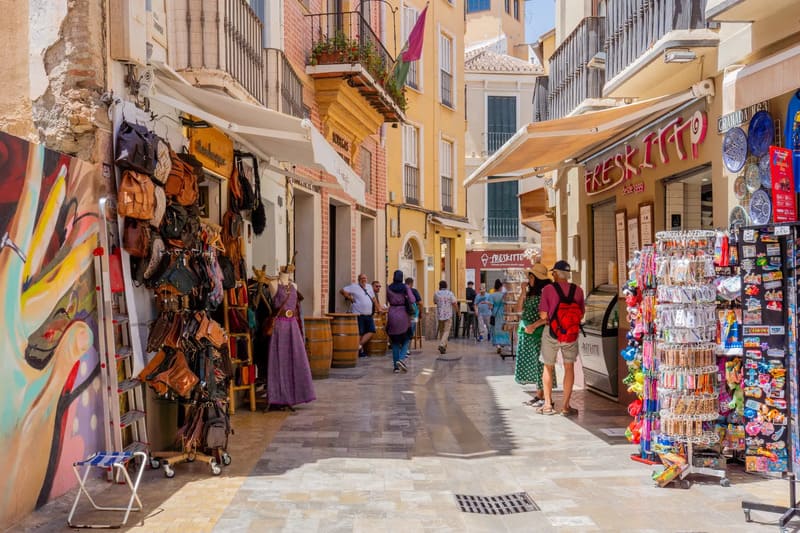
Imagine walking through the picturesque streets of Malaga and hearing the locals use words and phrases that are totally unfamiliar to you. Feeling a bit lost? Don’t worry! The Malagueño Dictionary is here to help you decipher this mysterious language that makes Malaga a unique place in the world.
At the heart of the Malagueño Dictionary are words and expressions that capture the very essence of this coastal city. From the famous “¡Qué arte!” to the endearing “chiringuito,” each term is steeped in history, culture and tradition. It is as if each word tells a little story about the life and customs of the people of Malaga.
Let’s differentiate between Malageño expressions and Malagueño words. Expressions are broader constructions that can include several words, while words are smaller units that are part of the vocabulary of a language or dialect.
Malagueñas expressions that will make you fall in love:
- Cinnamon/canelita en rama: This expression is used to indicate that something is wonderful or excellent. It is like saying that something is of exceptional quality or exceeds expectations.
- Estoy pajarito: When someone says “Estoy pajarito”, they are expressing that they are very cold. It is a colloquial and typically Malaga way of referring to the feeling of being cold.
- Está nikelao/niquelao: This expression is used to indicate that something is very clean or in perfect condition. It is a way of praising the neatness or impeccability of something or someone.
- Don’t do me the piula: When someone says “No me hagas la pirula,” they are expressing that they don’t want to be let down or cheated. It is a way of asking for sincerity and honesty in a situation.
- No ni na!: This expression is used to express astonishment or surprise. It is like saying “Anda que no!” or “¡Vaya, vaya!” in other Spanish-speaking regions.
- Eres un encogio/agarrao: When you say that someone is an encogido or agarrao, you are saying that he or she is stingy or mean when it comes to money. It is a way of expressing that the person is ungenerous or does not like to spend money.
- Vamos a hacer la piarda: This expression is used to indicate that you are going to miss class or any other commitment. It is a colloquial way of saying that you are going to “play truant” or “play hooky”.
- Eres una papafrita: When you say that someone is a papafrita, you are suggesting that he or she is unintelligent or a bit dumb. It is a colloquial expression to refer jocularly to a lack of intelligence.
- Está to’ perita: This expression is used to indicate that something is great or excellent. It is a colloquial and typically Malaga way of expressing satisfaction or admiration for something.
- ¡Que pelúa hace: When someone says “¡Que pelúa hace!”, they are expressing that it is very cold. It is a colloquial and characteristic form of Malaga to describe the low temperatures.
- Eonoé?: This expression is used to give emphasis to what is being said. It is like saying “¿Entiendes?” or “¿Verdad?” at the end of a sentence to make sure the speaker is following the conversation.
- Novea vieo!: When someone says “Novea vieo!”, they are highlighting an event or situation that they consider noteworthy or interesting. It is a colloquial and forceful way of calling attention to something.
- Jopo!: This expression is used to send someone out of a place or to express disgust or rejection towards that person. It is a colloquial and typically Malaga way of saying “Get out of here!” or “Go away!”.
- Ven pacá: When someone says “Ven pacá”, they are asking another person to come closer or to come to where they are. It is a colloquial and abbreviated way of saying “Come here” or “Come closer”.
Are you ready for a unique gastronomic experience in the heart of Malaga? Then come and discover the authentic taste of the city at La Tasquita de Enmedio! Immerse yourself in a cozy and traditional atmosphere while you enjoy a wide variety of variety of tapas that will delight your senses and transport you to the heart of Malaga’s culture.
Words that cannot be missing in the vocabulary of every good Malageño.
- Aliquindoi: This word is used to indicate that someone is attentive or paying attention to something. It is an expression denoting vigilance or being alert.
- Alobao/cuajao/apaguatao: These terms are used to express that someone is dazed or distracted, as if in another world or with a blank mind.
- Ancá: This word is used to indicate that something is in someone’s house or that it is inside a house.
- Aro: An expression used to affirm something or to express agreement. It is like saying “claro” or “sí” in other Spanish-speaking regions.
- Abe: This word is used to ask if someone knows something or to express disbelief at a statement.
- Aplatanao: This word is used to describe the feeling of not wanting to do anything or being apathetic.
- Apalancao: Similar to “aplatanao”, it is used to express that someone is unwilling to move from a place, as if they were comfortably installed and did not want to change their position.
- Apasguatao: Used to describe someone who is absent-minded or distracted, as if they were in another world and not paying attention to what is going on around them.
- Boquerón: It is the gentilicio used to refer to the inhabitants of Malaga.
- Going down to Malaga: This expression is used to refer to going to Larios Street, one of the most important and central streets of Malaga.
- Bimbazo: Refers to a blow, generally given with a certain force.
- Bulla: Used to express haste or to refer to a fight or commotion.
- Bocaná: Refers to a gust of strong wind or an abundant current of air.
- Caló: It is a colloquial way of referring to heat.
- Campero: It is a type of sandwich typical of Malaga, containing ham, cheese, lettuce, tomato and mayonnaise.
- Canío: Used to describe someone who is thin or thinly built.
- Chalao: Used to describe someone who is crazy or has extravagant behavior.
- Catrojo: It is used to refer to someone who is a little redneck or rustic in their customs.
- Chorra: Used to refer to luck, whether good or bad.
- Chorraera: Refers to a slide or slider, especially in the context of playgrounds.
- Cuajao: Used to describe someone who is dazed or distracted, as if in another world.
- Cusha: An expression used to get someone’s attention or to ask them to listen to what is about to be said.
- Chuminá: Refers to something unimportant or of little relevance.
- Dabuten: An expression used to express that something is great or excellent.
- De-frizz: Refers to removing the curls or untangling the hair.
- Encogío: Used to describe someone who is stingy or ungenerous when it comes to money.
- Esnortao/empanao: Used to describe someone who is dazed or distracted, as if in another world.
- Esmayao: Refers to someone who is very hungry or very anxious to eat.
- Escuchimizao: Refers to someone who is very thin or has a weak physical constitution.
- Foé: An expression used to express joy or discontent, depending on the context in which it is used.
- Flipao: Used to describe someone who is amazed or surprised by something.
- Guantazo: Refers to a blow delivered with an open hand.
- Guiri: Used to refer to very light-skinned foreigners who visit Malaga, especially during the tourist season.
- Gazpachuelo: It is a typical soup of Malaga, made with fish and mayonnaise.
- Jiñao: Used to describe someone who is scared or nervous.
- Merdellón: Refers to someone who is ordinary or rude in his or her behavior.
- Maharón: Used to describe someone who is “crazy” or has extravagant behaviors.
- Malapipa: Used to describe someone who has a bad temper or is easily angered.
- Mijilla: Refers to a small or scarce amount of something.
- Pechá: Refers to a large quantity of something, usually in the context of eating or drinking.
- Perita: Used to describe something that is great or excellent.
- But: Refers to the apple fruit.
- Petao: Used to describe someone who is strong or muscular.
- Poloflan: Refers to a flavored ice cream with ice, typical of Malaga.
- Scum: Refers to dirt or grime accumulated in a place.
- Romi: He means the bathroom mirror.
- Tajá: Used to describe someone who is drunk or to refer to a piece of something.
- Tennis: Refers to sneakers.
- Torroles: Used to refer to the city of Torremolinos.
- Volantona: Refers to a cockroach that can fly.
What are you waiting for? Gather your friends and family and come and enjoy an evening full of flavor, tradition and good company at La Tasquita de Enmedio. We guarantee a gastronomic experience that you will remember for a long time, we are waiting for you with open arms and tapas ready to be enjoyed!
The Malagueño Dictionary is much more than a list of words; it is a reflection of the spirit and essence of Málaga. From its emblematic expressions to its culinary traditions, each term reveals a part of the rich history and vibrant culture of this enchanting city.
So the next time you find yourself in the streets of Malaga and hear a word or expression you don’t understand, don’t hesitate to consult your own Malagueño Dictionary, I’m sure it will surprise you and make you fall even more in love with this wonderful city!


