
Malaga, a jewel on the Costa del Sol, offers a perfect blend of history, culture and natural beauty. If you’re wondering what to see in Malaga in three days, you’re in the right place. In this article, we’ll guide you through a detailed itinerary that will allow you to discover the charms of this vibrant Andalusian city, from its historic monuments to its golden beaches and vibrant art scene. Get ready for an unforgettable experience in one of Spain’s most fascinating cities.
Discover La Tasquita de en Medio Restaurant, the perfect place to taste authentic Malaga tapas in a warm and cozy environment, don’t miss the opportunity to enjoy a unique and unforgettable culinary experience!
Day 1: Exploring the Historic Center
Malaga, a vibrant city full of history, offers a wide variety of attractions for visitors. Start your first day exploring the heart of the city.
The Alcazaba
The Alcazaba is an 11th century Muslim fortress that offers breathtaking views of the city and the port. This palace complex, built by Muslim rulers, is one of Malaga’s most important historical monuments. Stroll through its gardens, admire the towers and walls, and discover the history of this fascinating place. Do not miss the Torre del Homenaje, from where you get spectacular panoramic views.
The Roman Theater
Right next to the Alcazaba, the Roman Theater is a testament to the Roman era in Malaga. This ancient theater, discovered in 1951, has been restored and is a perfect place to learn about the history of the city. You can walk along its steps and imagine what life was like in ancient Roman Malaca. In addition, the Interpretation Center offers detailed information about the history and architecture of the theater.
The Cathedral of Malaga
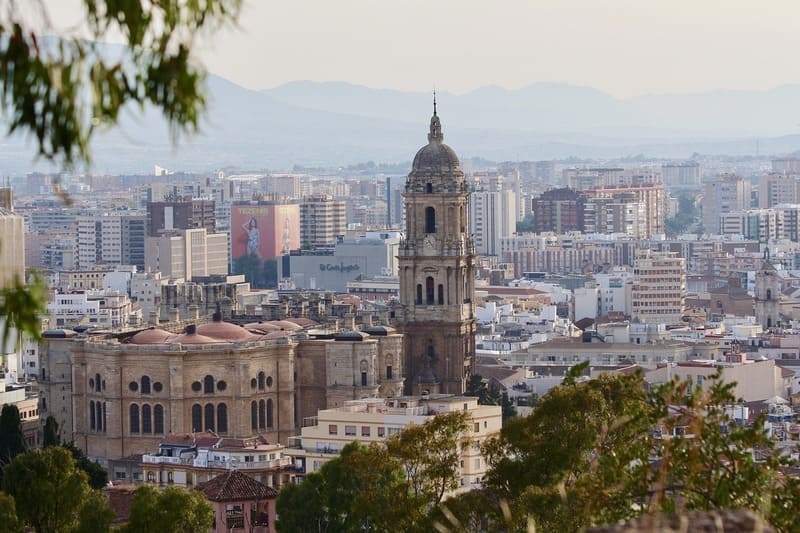
Known as “La Manquita” because of its unfinished south tower, Malaga Cathedral is an impressive example of Renaissance architecture. Built between the 16th and 18th centuries, the cathedral combines Gothic, Renaissance and Baroque elements. Its interior is equally impressive, with a raised central nave, richly decorated side chapels and a wood-carved choir. Don’t miss the opportunity to climb the north tower for panoramic views of the city.
Picasso Museum
Dedicated to the famous painter from Malaga, the Picasso Museum houses an extensive collection of his works. Housed in the Buenavista Palace, a Renaissance building, the museum has more than 200 works spanning Picasso’s prolific career. From his earliest works to his latest creations, the museum offers a complete overview of the painter’s artistic evolution. In addition, the museum organizes temporary exhibitions and educational activities.
Day 2: Art and Culture
The second day in Malaga can be dedicated to exploring its rich cultural and artistic offerings.
Carmen Thyssen Museum
This museum houses an impressive collection of Spanish art, with a focus on the 19th century. Housed in the Palacio de Villalón, a Renaissance building, the museum features works by artists such as Zurbarán, Sorolla and Zuloaga. Temporary and permanent exhibitions offer an in-depth look at Spanish art and culture. In addition, the museum organizes educational activities and workshops for all ages.
Pompidou Center Malaga
An extension of the famous Parisian museum, the Pompidou Center Malaga offers a collection of modern and contemporary art in an iconic building. The Malaga branch of the Pompidou Center is housed in a colorful glass cube on Muelle Uno. The permanent collection includes works by artists such as Picasso, Miró and Kandinsky, while temporary exhibitions present the best of international contemporary art.
Museum of Malaga
Located in the Palacio de la Aduana, the Museum of Malaga combines art and archeology. Its collections range from prehistory to the 20th century, offering a complete overview of the history and art of the region. The museum has more than 15,000 pieces, including paintings, sculptures and archaeological objects. In addition, the building itself is an architectural gem, with spacious courtyards and exhibition halls.
After a day exploring the charms of Malaga, there is no better way to end your day than enjoying some delicious tapas in the center of Malaga. delicious tapas in the center of Malaga.. Visit La Tasquita de en Medio Restaurant, where you can taste authentic Malaga tapas in a cozy and traditional atmosphere, don’t miss it and live an unforgettable gastronomic experience!
Day 3: Nature and Relaxation
For the third day, we recommend you to enjoy nature and relax in some of the quietest places in Malaga.
La Concepción Botanical-Historical Garden
This botanical garden is one of the most important in Europe. Founded in 1855, La Concepción Botanical-Historical Garden houses a great variety of exotic and native plants. Stroll along its paths and discover collections of palm trees, bamboos and tropical plants. Do not miss the viewpoint, from where you get stunning views of the city and the bay of Malaga.
Malagueta Beach
You can’t visit Malaga without spending some time at the beach. The Malagueta Beach, located near the city center, is ideal for sunbathing, swimming and enjoying the sea breeze. This urban beach has all the necessary services, including beach bars where you can taste the famous espeto de sardinas. In addition, the promenade is perfect for walking or cycling.
Pier One
Muelle Uno is a modern commercial and leisure area in the port of Malaga. Here you can stroll, shop and enjoy a meal overlooking the sea. The marina offers a wide variety of restaurants, stores and leisure activities. In addition, Muelle Uno hosts cultural events and concerts throughout the year, making it a vibrant and dynamic place.
FAQs on what to see in Malaga in three days
1. What is the best time to visit Malaga? Spring and autumn are the best times to visit Malaga, as the weather is pleasant and there are fewer tourists. During these months, temperatures are mild and it is more comfortable to explore the city.
2. How to move around Malaga? Malaga has an efficient public transportation system, including buses and metro. It is also easy to get around the city center on foot. For longer distances, you can use the public bicycle service or rent a car.
How long does it take to explore Malaga? Three days are enough to see the main sights of Malaga, but if you have more time, there is always more to discover. The city offers a wide variety of activities and places to visit, from museums and historical monuments to beaches and natural parks.
4. What typical dishes should I try in Malaga? Do not miss the espeto de sardinas, pescaíto frito (fried fish) and ajoblanco. Malaga is famous for its delicious gastronomy, which combines fresh products from the sea and the land. Other recommended dishes include ensalada malagueña, gazpachuelo and boquerones en vinagre (anchovies in vinegar).
5. Is it necessary to reserve tickets for tourist attractions? It is advisable to book tickets for the main attractions, especially during the high season, to avoid long lines. Many museums and monuments offer the option of buying tickets online, which will allow you to save time and better plan your visit.
Make a stop at La Tasquita de en Medio Restaurant and enjoy the best Malaga tapas in an authentic and cozy atmosphere, don’t miss it and let yourself be surprised by a gastronomic experience you will always remember!


