
Atarazanas Market: A historical and cultural journey in the heart of Malaga
In the historic center of Malaga, among streets full of life and traditions, is the Atarazanas Market, a space that fuses history, gastronomy and architecture. This market is not only a place for shopping, but also a window to the rich history of the city, a testimony of its evolution from the Nasrid era to modernity. In this article, we will explore its history, its architectural transformations and its current importance as a key point in the social and cultural life of Malaga.
Historical origins of the Atarazanas Market
The history of the Atarazanas Market dates back to the 14th century, at the time of Muslim rule in the Iberian Peninsula. In this period, the city of Malaga was at its peak as a commercial and naval port of the Kingdom of Granada. The name “Atarazanas” comes from the Arabic word “al-‘ataraz”, which means shipyard or naval workshop. During this time, the area where the market is located today was one of the most important shipyards in the city, dedicated to the construction and repair of ships.
This shipyard played a crucial role in the defense of the city and in the construction of ships for the fleet of the Kingdom of Granada. Throughout the centuries, shipbuilding and naval activity were the basis of the local economy. Even today, one of the original doors of the Nasrid shipyard is still preserved in the market, a reminder of its glorious past.
Come to La Tasquita de en Medio and discover the true taste of Malaga tapas!
The market in modern times: from shipyard to shopping mall

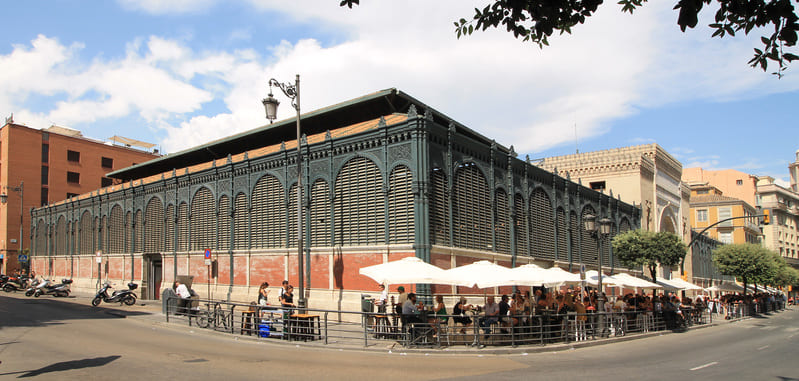
In the mid-19th century, with the arrival of industrialization, naval activity in the area began to decline. The need to transform this space into something more useful for the city led to the construction of the Atarazanas Market as we know it today. Between 1876 and 1879, the architect Joaquín de Rucoba designed the market building, a space with a metal structure that was ahead of its time.
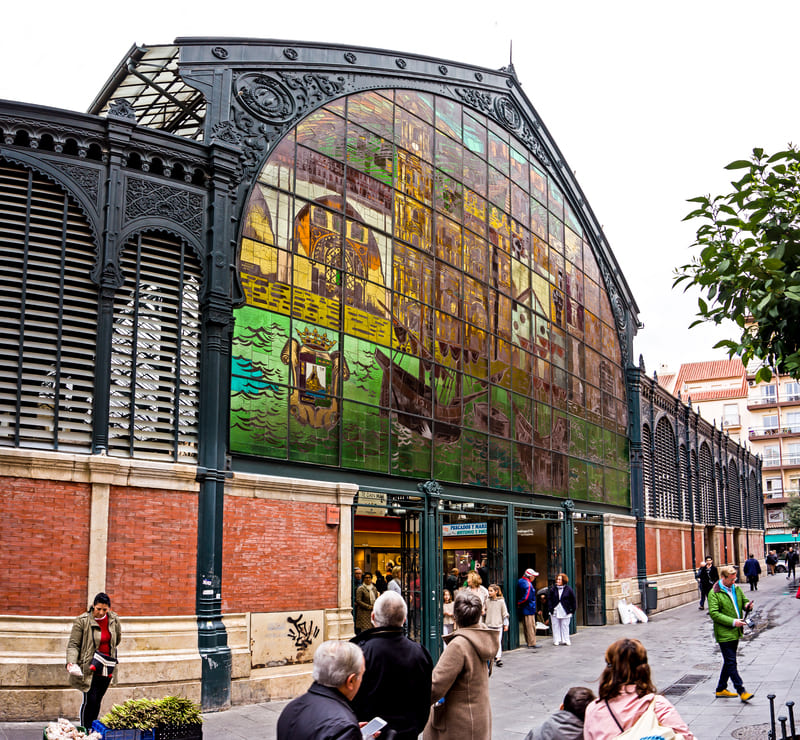
This market was designed in a neo-Mudejar architectural style, a trend that sought to revive the decorative and structural elements of Islamic architecture. The Arab influence is clearly visible in its horseshoe arches, colorful ceramics and decorative tiles that adorn the place. However, industrial style elements are also incorporated, such as the wrought iron columns and metal beams that support the structure.
During the 20th and 21st centuries, the Atarazanas Market has undergone several renovations. However, the original structure of the building has remained intact, preserving the essence of the architecture of the time. These renovations have allowed the market to remain one of the most vibrant spots in the city, adapting to the needs of modern times without losing its historical identity.
We are waiting for you at La Tasquita de en Medio to enjoy a unique taste!
Architectural highlights
The Atarazanas Market is an excellent example of how architectural styles can merge to create a unique structure. One of the most outstanding elements is its neo-Mudéjar façade, which rises imposingly above the Calle de los Atarazanas. This façade is decorated with horseshoe arches, a distinctive feature of Islamic architecture. Stone and ceramic tiles decorate the entrance, while wrought iron railings complete the ornamental design.
Upon entering the market, the visitor encounters a surprising interior. The metal structure that covers the market is one of the oldest in Europe. Its huge iron beams support the glass roof, allowing natural light to flood the space, creating a bright and airy atmosphere. In the center of the market, a large glass dome crowns the main hall, offering a spectacular view of the metal structure and the market stalls.
The wrought iron columns that separate the market halls are not only functional, but also decorative. These columns, which run the length of the market, add a touch of industrial elegance that perfectly complements the neo-Mudejar style of the building.
The cultural and social role of the market in modern Malaga
Although the Atarazanas Market is, first and foremost, a place where fresh and local produce is sold, its importance to Malaga goes far beyond the commercial. This market is a meeting point for locals and tourists alike, where people come not only to buy food, but also to enjoy the social experience it offers.
The Atarazanas Market has become a cultural center of the city. Throughout the year, it hosts events, exhibitions and activities that celebrate local and regional culture. From cooking workshops to art exhibitions, the market has established itself as a place for authentic cultural experiences. In addition, the food stalls at the market offer a wide variety of gastronomic products typical of the region, such as fresh fish, seafood, fruits, vegetables and sausages.
One of the highlights of the market is its ability to connect tradition with modernity. The market’s original structure remains the framework that houses the daily activities of Malagueños, but at the same time, the market has been modernized with cutting-edge technologies to enhance the shopping experience and sustainability. Today, the market remains a pillar of the Malaga community, a place where people can enjoy a vibrant atmosphere, learn about local products and immerse themselves in the city’s gastronomic culture.
Other nearby places of interest
The Mercado de Atarazanas is perfectly located in the center of Malaga, making it an ideal starting point for exploring other nearby attractions. Some of the highlights include:
- Calle Larios: Just a few minutes walk away, this famous pedestrian street is the commercial heart of Malaga. Here you will find stores, restaurants, and cafes, as well as beautiful historic buildings that adorn the street.
- Cervantes Theater: A historic theater dating back to 1870 and one of the oldest in Spain. It hosts a varied cultural program, from plays to concerts and festivals.
- Museo Picasso Malaga: Located in the Buenavista Palace, this museum houses an important collection of works by the Malaga painter Pablo Picasso. It is a must for art lovers.
- Plaza de la Constitución: One of the oldest squares in the city, surrounded by historic buildings and places of interest such as the Malaga City Hall.
- Alcazaba of Malaga: An ancient Muslim fortified palace that offers stunning views of the city and the sea. Its proximity to the Atarazanas Market makes it an ideal place to continue the tourist route.
The Atarazanas Market is much more than just a market; it is an architectural and cultural jewel in the heart of Malaga. Through its aisles and vibrant atmosphere, you can feel the history of the city and get to know the rich local gastronomy. Its importance lies not only in its neo-Mudejar architecture and its role as a commercial center, but also in its ability to connect people, celebrating Malaga’s culture and traditions.
Whether it’s to buy fresh produce, enjoy local life or explore its history, the Atarazanas Market is a must for any visitor who wants to discover the true essence of the city. Whether you are a curious tourist or a local resident, this market always has something new to offer.


